
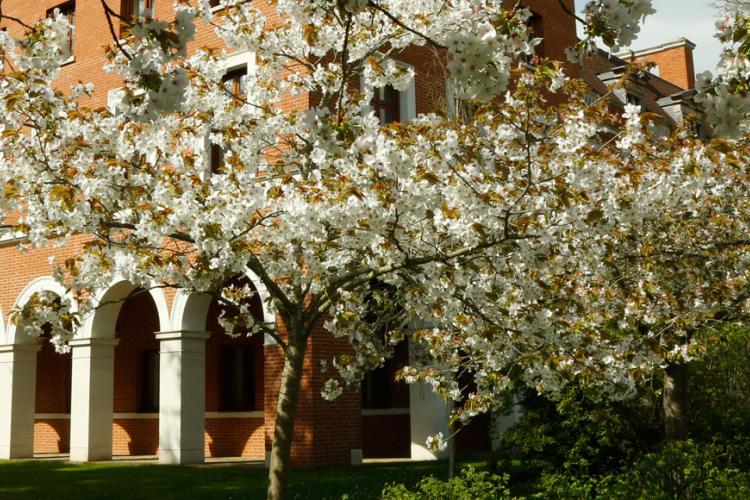
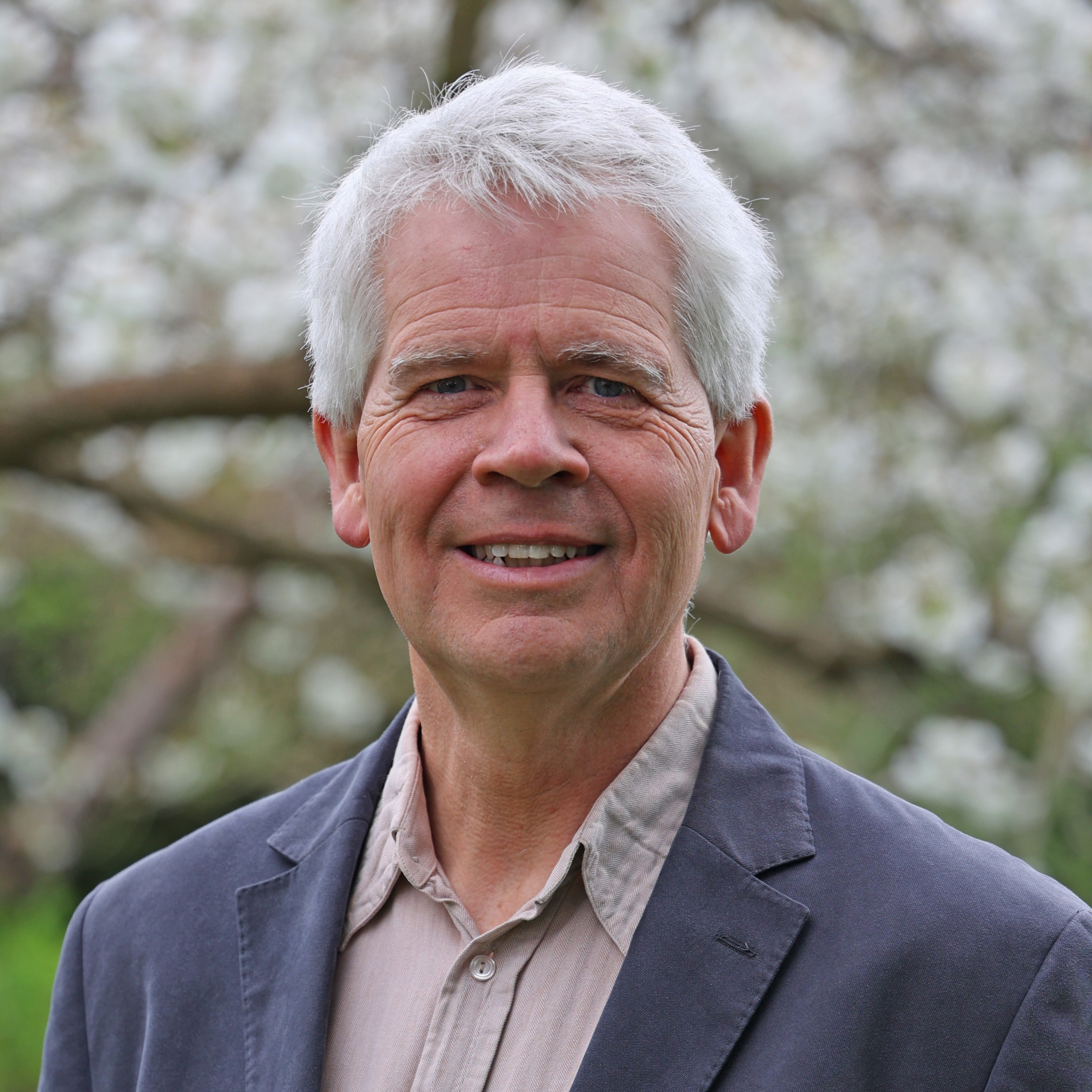
As he prepares to retire from his role as Development Director, Mike Nicholson reflects on how the college has changed its approach to acknowledging its supporters.
Those of you who have attended any of the recent catch-up sessions with the Master and me at year-group reunions, will have been treated to a quick run through of the evolution of the Selwyn estate from 1882 to the present day. The story of the expansion of the college is inspiring; for a college that was never endowed with funds of its own – it’s one of the most noticeable ways Selwyn has pulled itself up by its boot straps, making it one of the very best places to live, study and work in Cambridge.
Along the way, there’s been a quiet revolution in how we acknowledge the support of those who have enabled these changes to happen — our donors, alumni and friends. Twelve years ago, it was possible to walk around Selwyn, admire the beauty of its buildings and gardens — and yet remain largely unaware that nearly all of it was the result of the philanthropy of individuals. In contrast, today there are more than a thousand names now incorporated into the fabric of some of our buildings, rightly celebrating the generosity of those responsible.
Today, each new cohort of students who use the superb resources of the Bartlam Library or the Quarry Whitehouse Auditorium, or have supervisions in the Old Library cannot fail to notice that these facilities exist largely thanks to the philanthropy of earlier generations of students. But the naming of supporters is not just about new or refurbished buildings. Each generation helping the next is a cornerstone of the way healthy communities grow, and at Selwyn this also implies a transfer of knowledge and values. Helping to make this intergenerational support visible at Selwyn has been one of the most satisfying achievements of my twelve years as Development Director, and you’ll forgive me if I end by pointing out that there are more ‘naming’ opportunities still available for those able to support the Ann’s Court North development, which when finished will see Ann’s Court finally completed.
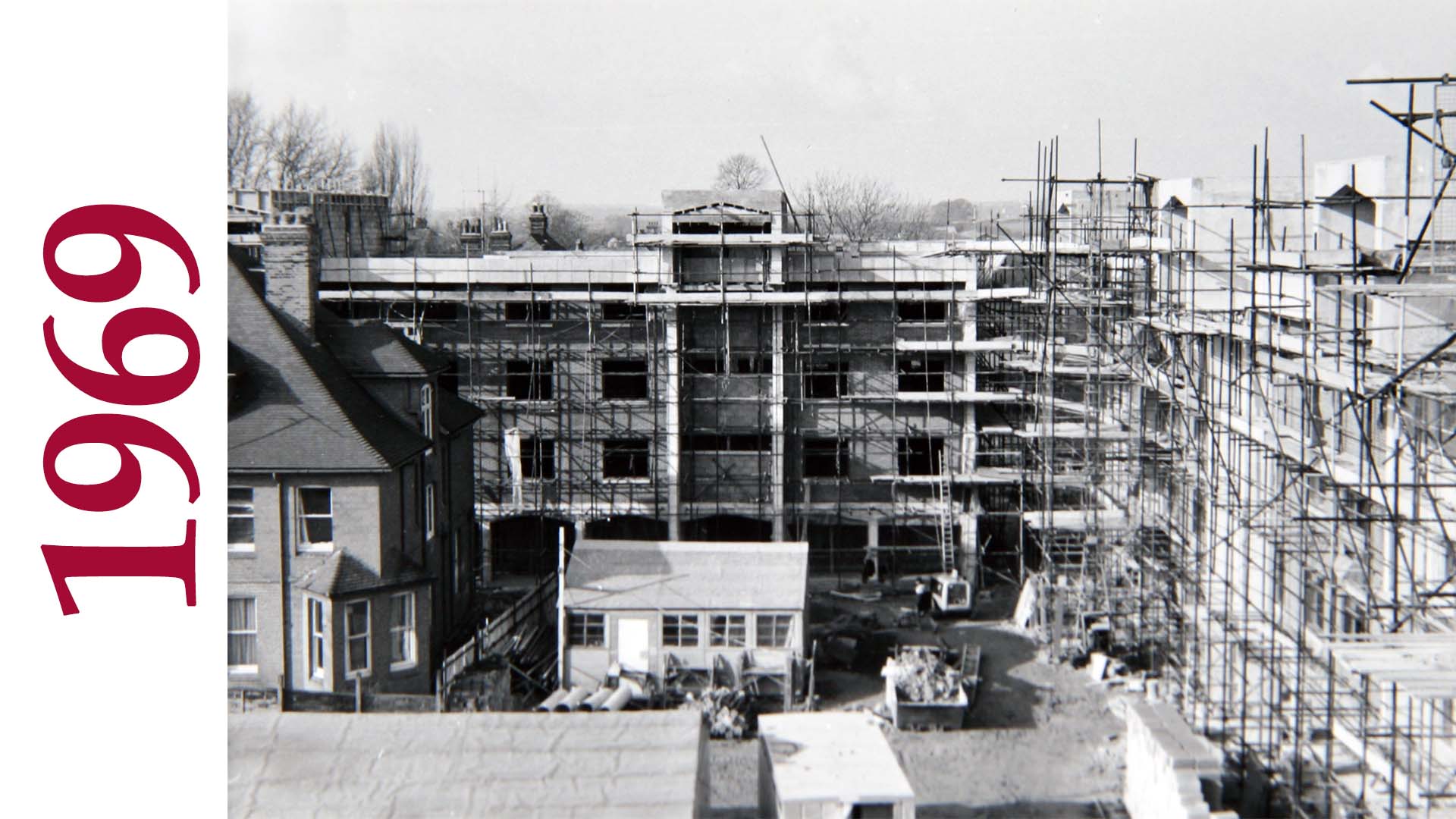
Cripps Court
Built in 1969, Selwyn’s first ‘named’ building exists thanks to the generosity of Sir Humphrey Cripps. A major refurbishment in 2014, providing 50 additional rooms, was largely financed by the Cripps Foundation who continued their support in 2024 by providing the funds to expand its generation of solar energy and storage, greatly reducing the building’s carbon footprint.
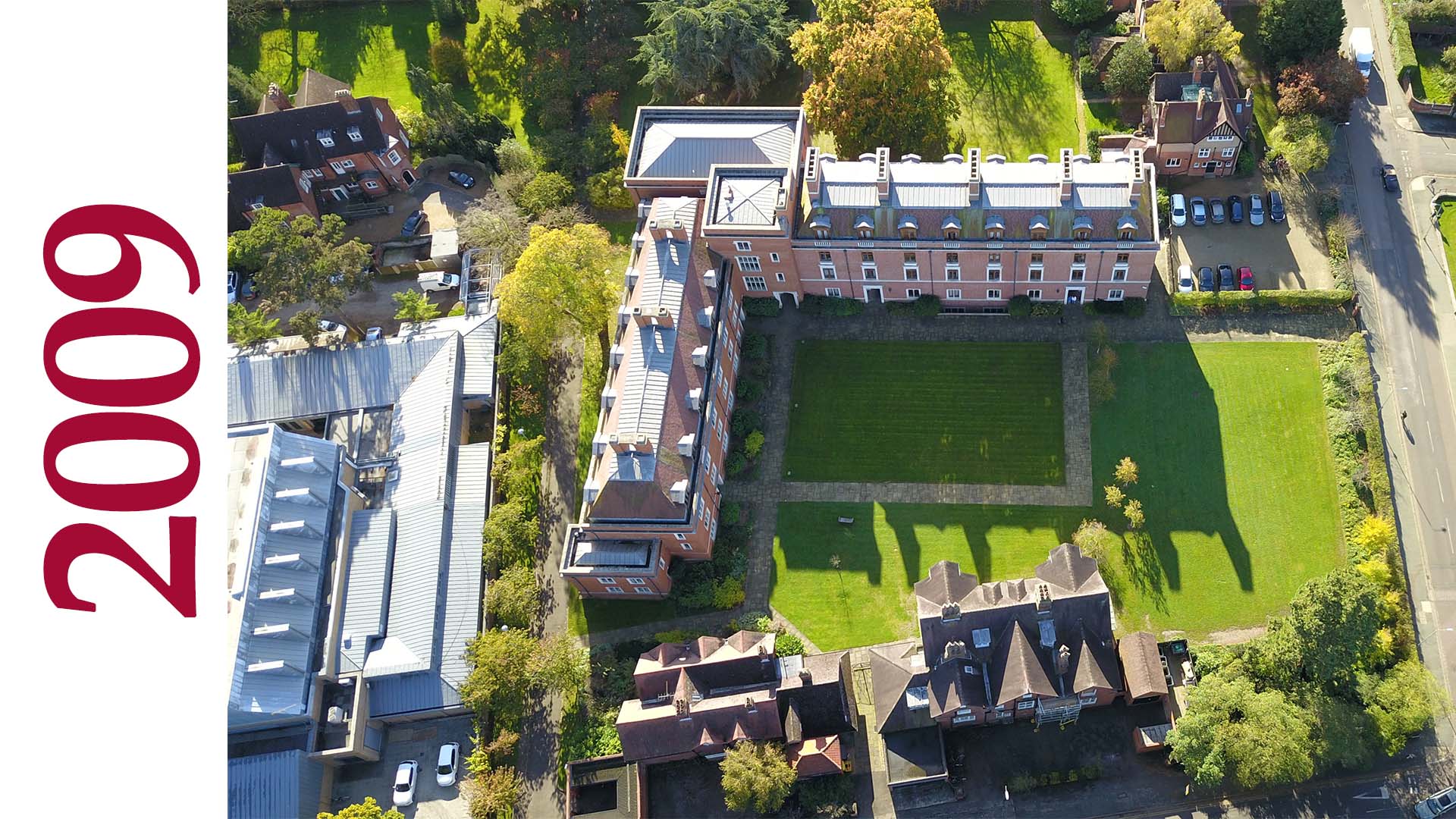
Ann’s Court
Christopher Dobson Building: Christopher Dobson (SE 1957) and his wife Ann were responsible for the lion’s share of the funding required to build phases one (2005) and two (2009) of the prestigious Ann’s Court development. The new buildings provide more than 80 en-suite rooms and three floors of spacious offices housing the college’s administration.
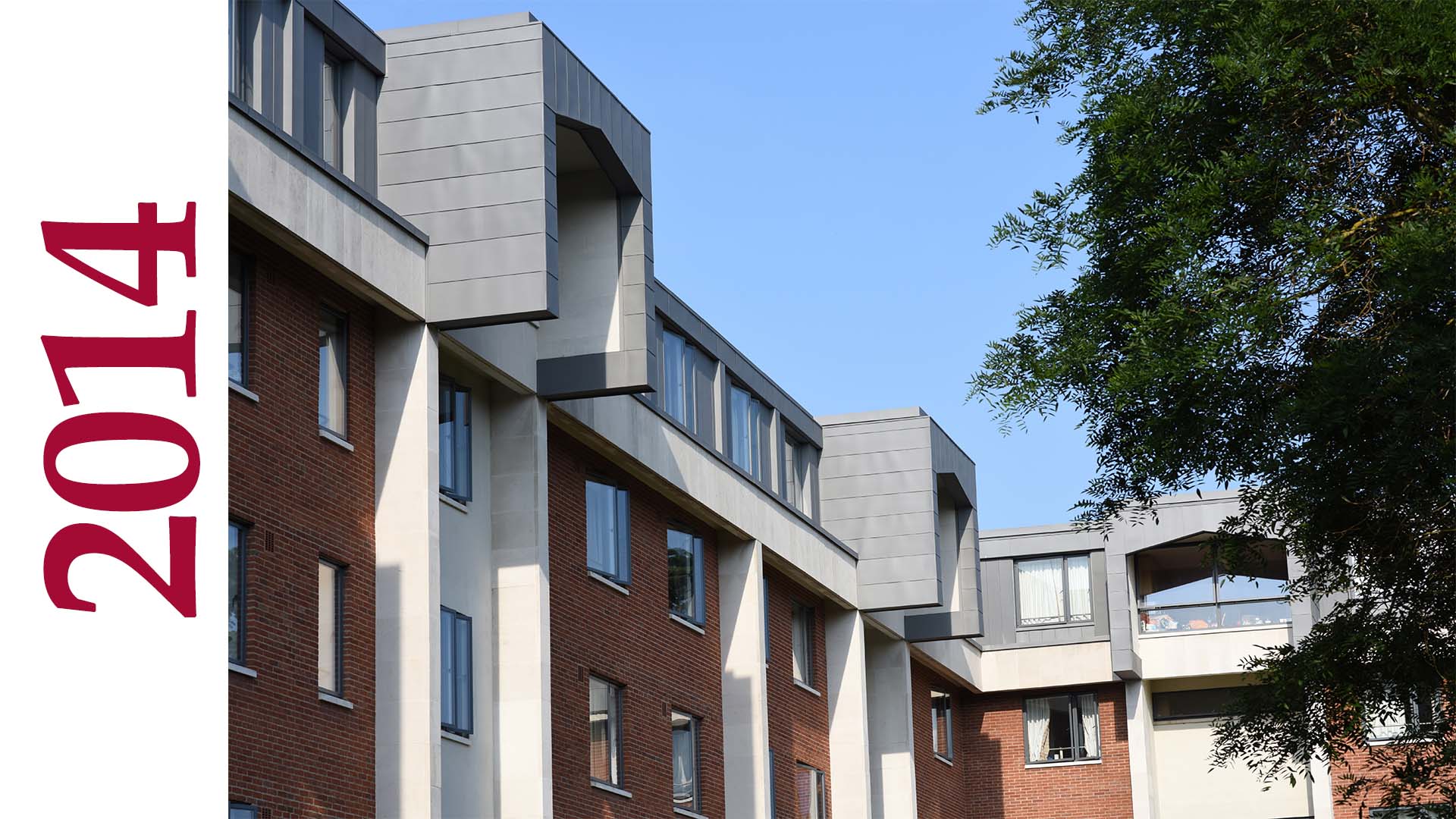
In 2014, Cripps Court underwent an expansion, which added a fourth storey, bringing the total to 203 rooms, including 54 en-suite additions, alongside updated communal areas, a new College gym and an upgraded MCR and Diamond Room.
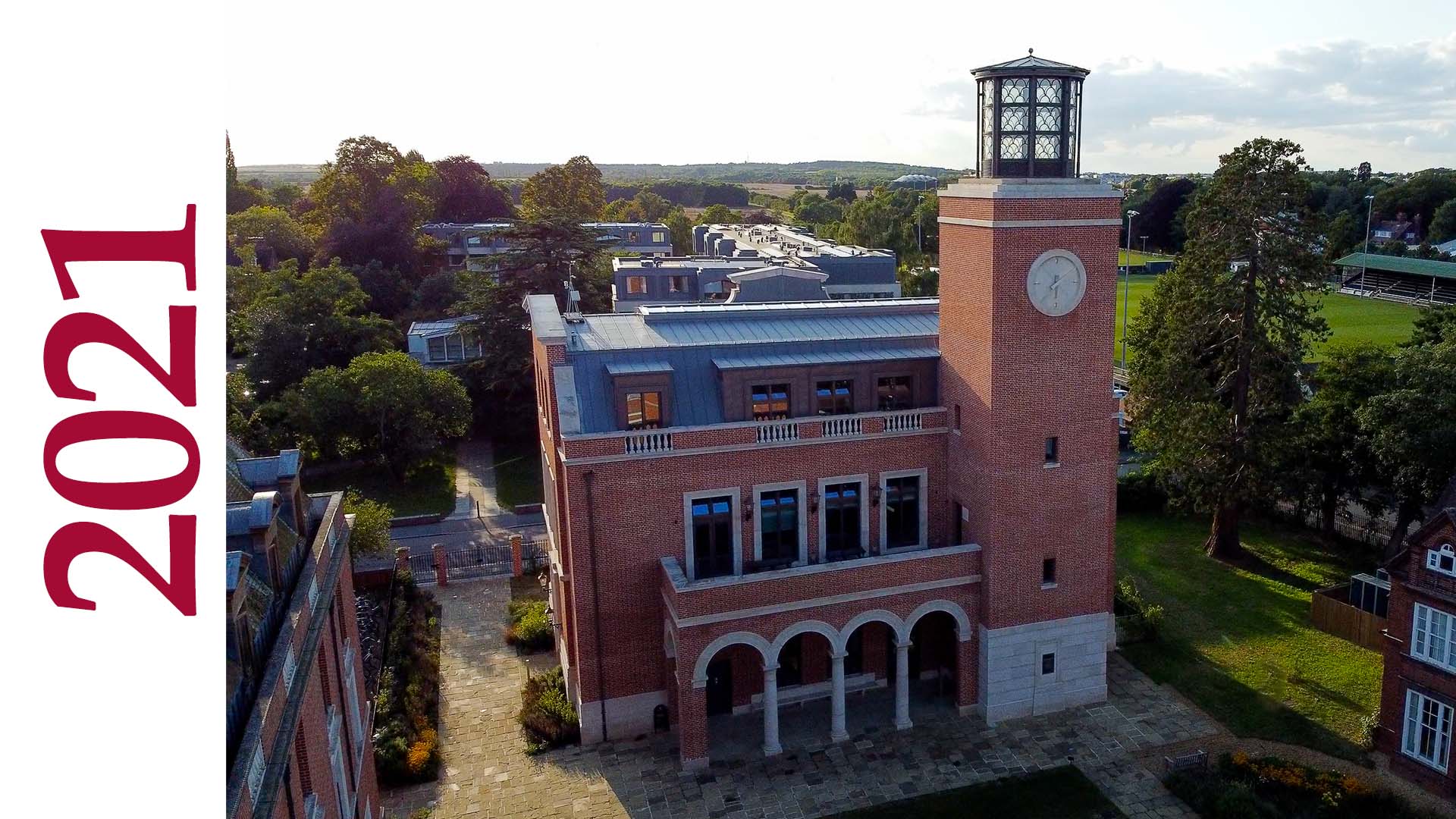
Bartlam Library
The scholarly centre of the college, the Bartlam Library is named in honour of Tom Bartlam (SE 1966) and recognised his substantial gift. Built over two floors and opened in 2021, the Bartlam Library provides a light and spacious study environment for students throughout the year.
Quarry Whitehouse Auditorium
Selwyn alumni Gareth Quarry (SE 1978) and Jill Whitehouse (SE 1978) helped us build this superb new facility. Since it opened in 2021, it’s hosted hundreds of lectures and events, many of which have been streamed worldwide via YouTube thanks to its integrated cameras and AV facilities.
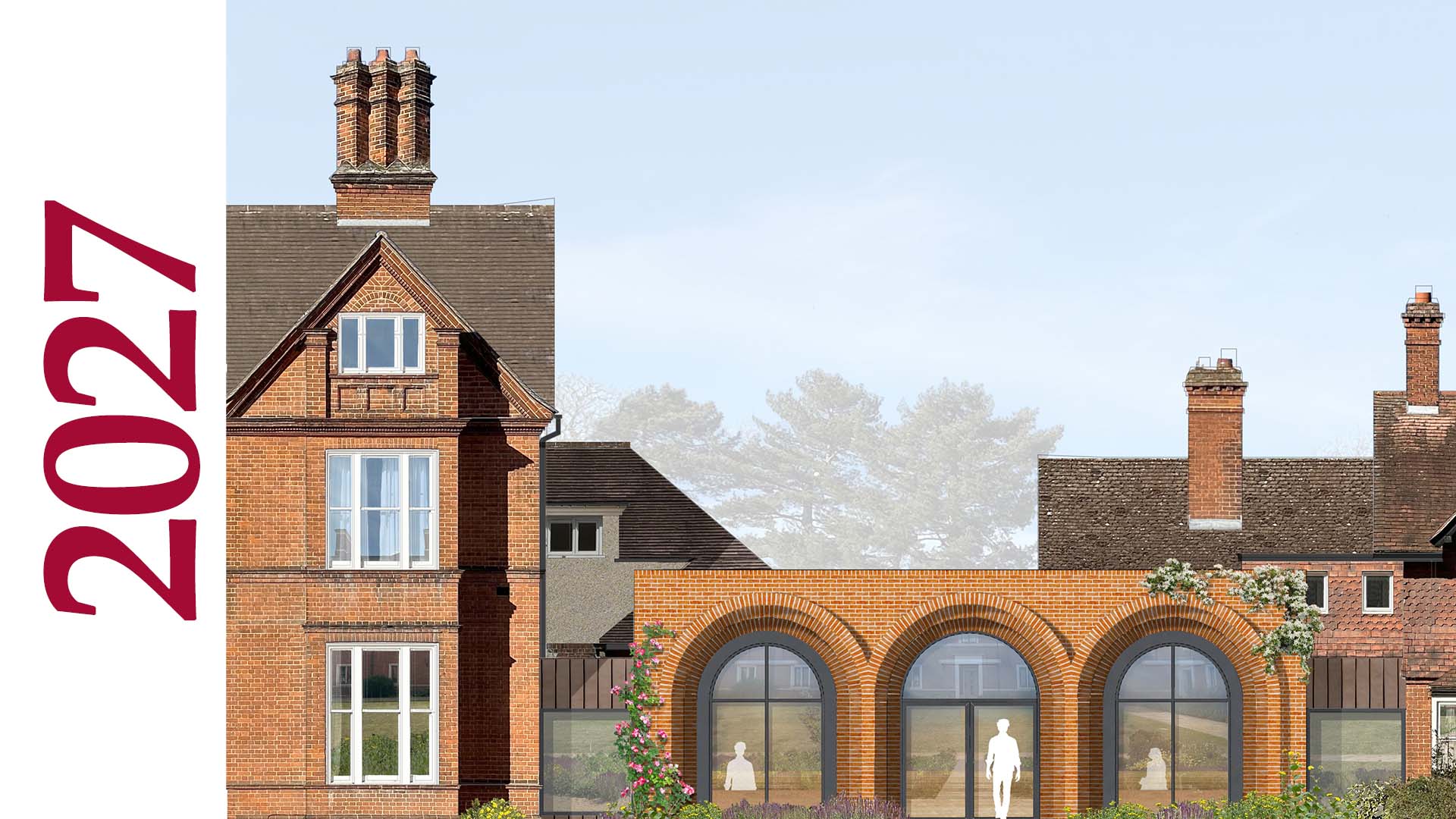
Ann’s Court North
The final phase of the 25-year Ann’s Court development programme will see the total refurbishment of 21 and 23 West Road, linked by a smart new Entrance Pavilion, giving level access to all ground floor rooms directly from the college. All 22 student rooms will be upgraded and the entrance pavilion will provide new social and informal study areas. Naming opportunities at all sorts of levels can be found — click the button below to learn more.