


Dr Andrew Jackson (Director of Research Services at University of Cambridge)
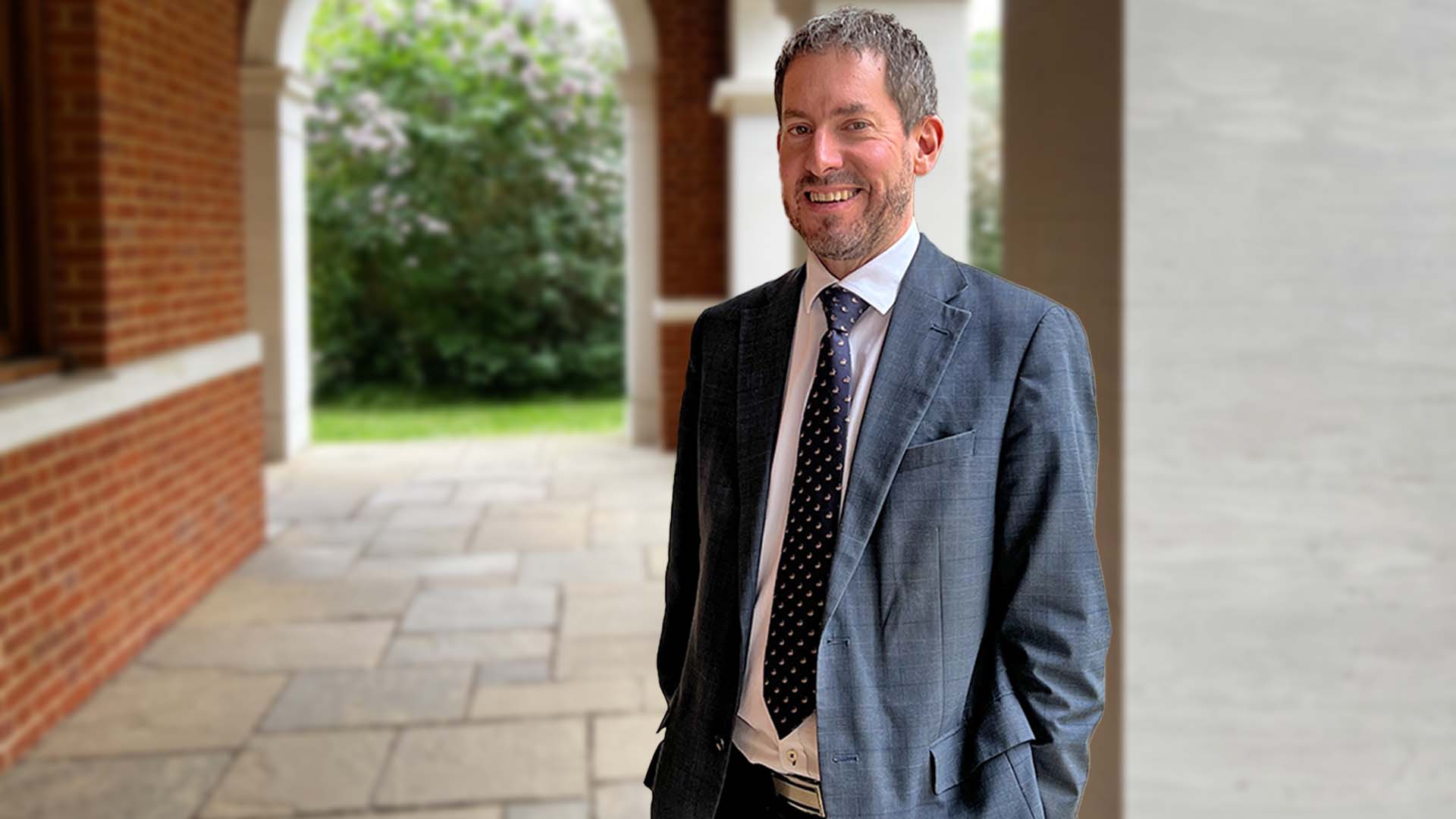
What does your role involve?
The Research Office supports academics throughout the research lifecycle — from funding applications and contracts to finance, governance, compliance and research policy. Last year, we saw over £2bn of research grant applications and set up around 1,300 new awards, delivering more than £600m of income to the University.
We also work closely with funders, government and external partners to contribute to the development of national research policy and help align institutional strategy with emerging priorities.
Day-to-day, I lead a team of around 240 people and set the overall direction for how research support operates across the institution.
Cambridge produces knowledge that the rest of the world wants to benefit from. How do you make sure it reaches the right hands?
Universities are no longer seen simply as generators of knowledge; they are increasingly expected to act as strategic partners in addressing major societal, economic and geopolitical challenges — from health resilience and climate change to AI, Quantum and other deep-tech areas that are strategically important for the UK. Cambridge combines exceptional breadth across the full research spectrum with genuine global excellence.
The power of collaboration — crossing disciplinary, organisational and international boundaries — has become a key part of the research environment, so a major part of our role is helping create the conditions in which those partnerships can flourish and deliver world-leading knowledge and world-changing impact.
That means helping academics engage effectively with businesses, policymakers, clinicians and international partners, while also managing an increasingly interconnected environment where contracts, compliance, finance systems, information security, ethics and national security considerations all interact.
A major focus for us is designing systems and services that reduce friction for researchers while still meeting increasingly complex external expectations from funders and government.
What does Cambridge do well when it comes to protecting and sharing its knowledge?
Cambridge benefits enormously from a rich ecosystem of organisations and initiatives supporting external engagement and knowledge exchange.
Cambridge Enterprise plays a central role in protecting and commercialising research outputs, while specialist units such as the Maxwell Centre and Milner Therapeutics Institute help connect researchers with industry and translational partners. The wider innovation ecosystem around the University — including organisations such as Cambridge Innovation Capital, Cambridge University Health Partners and Innovate Cambridge — also creates powerful opportunities to translate research into real-world impact.
Together, these activities create huge opportunities for innovation and impact, but also require careful coordination to ensure academics can find and access the right support at the right time. Science communication and public understanding of research are also more important than ever.
The Research Office coordinates the Cambridge Festival which, this year alone, enabled more than 50,000 interactions between researchers and members of the public over 17 days.
What drew you to this work?
My career has spanned hands-on research, as well as industry and university leadership. I started in engineering and physics research before moving into industrial R&D and technology commercialisation, working for and with organisations including Siemens, IBM and Canon on complex engineering and software projects.
I moved into the university sector in 2005, joining the University of York as a Business Development Manager, supporting external engagement and partnership development. Over time, those roles broadened into institution-wide research strategy, operational transformation and research support leadership at Durham, York and now Cambridge.
What keeps me motivated is helping create an environment in which excellent research can thrive.
At their best, research support teams do far more than administer processes — they help create the conditions that allow ambitious, collaborative and genuinely world-leading research to happen at scale.