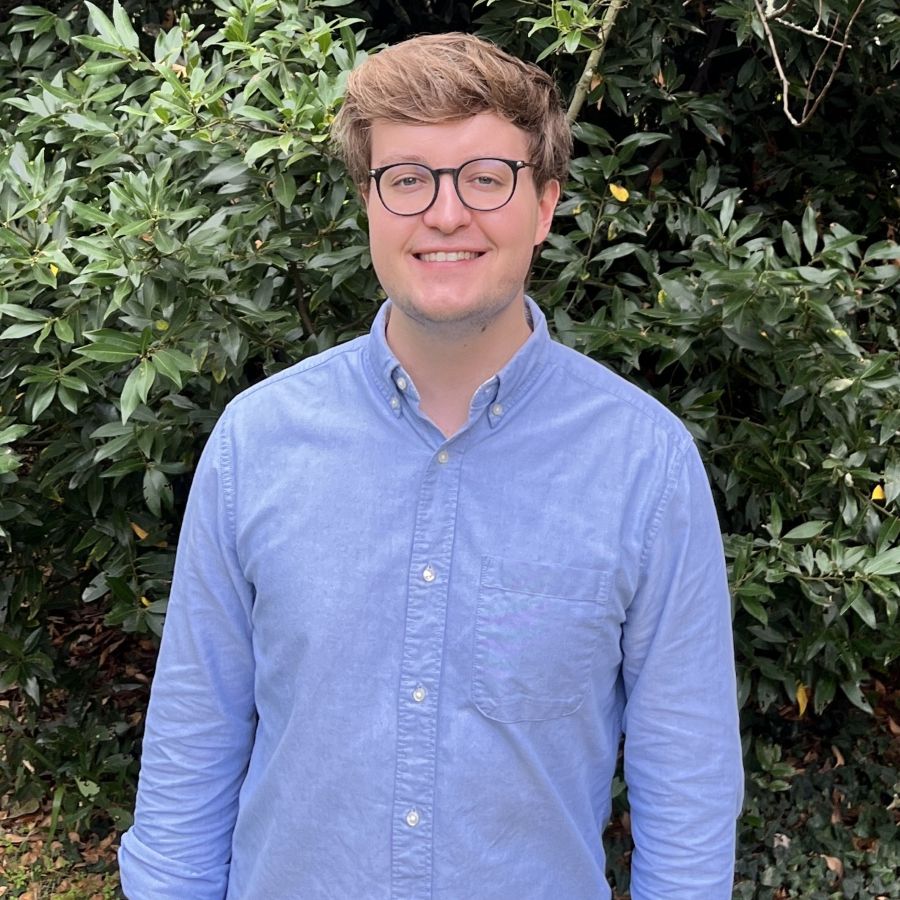
Dr Samuel Burry, Fellow
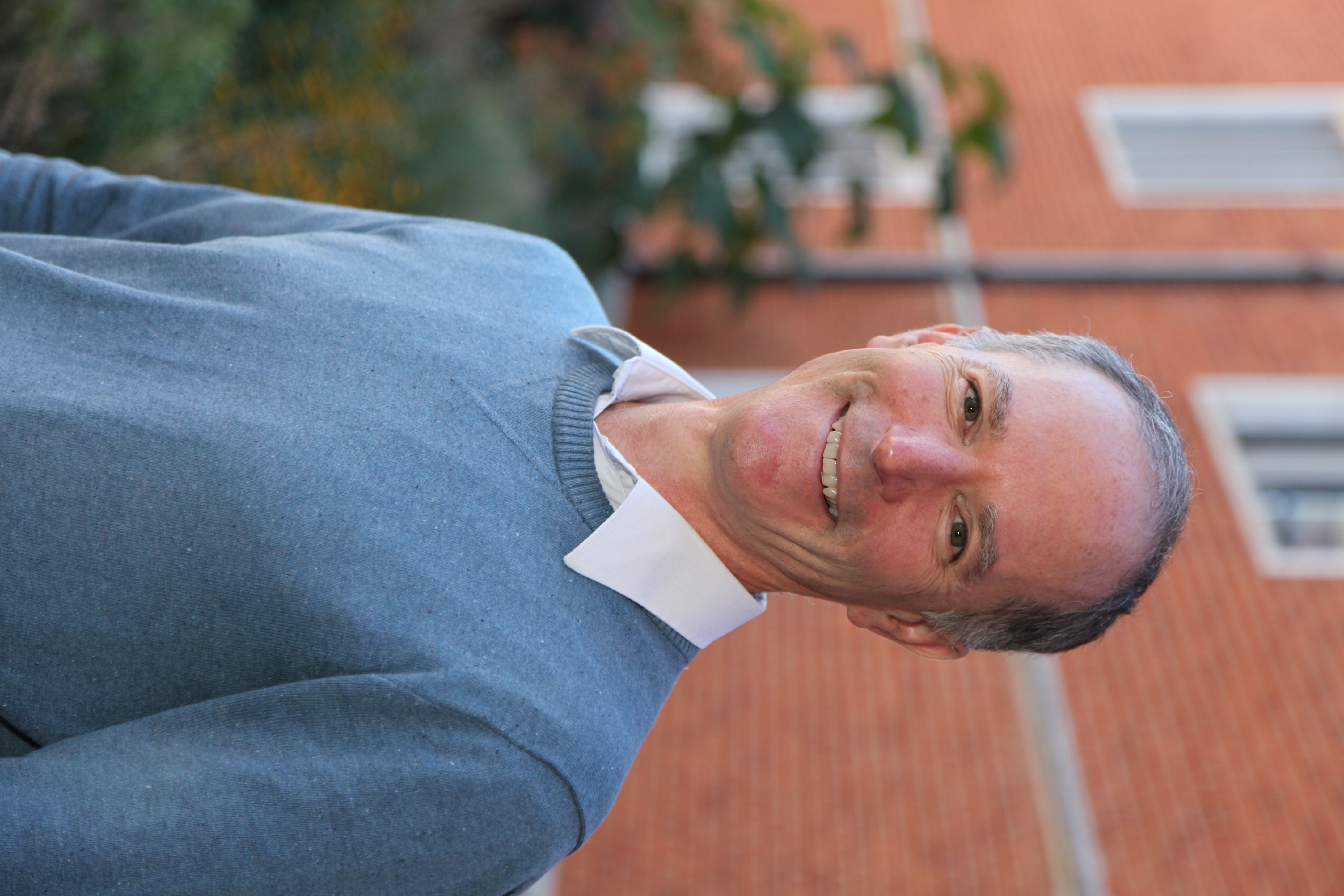
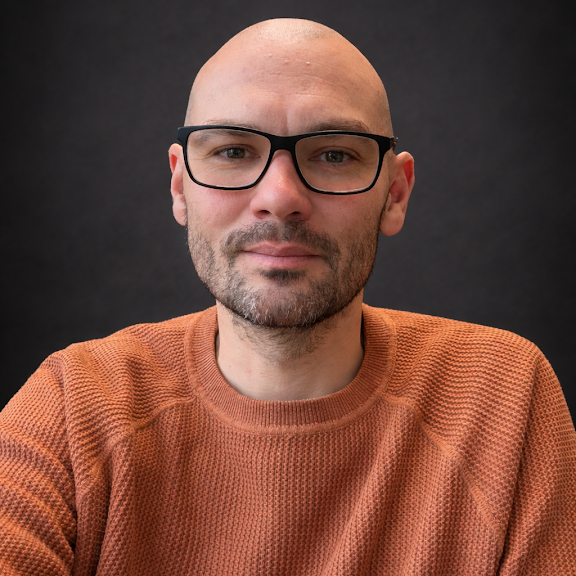
Samuel Burry is Selwyn's new Keasbey Isaac Newton Research Fellow in American Studies, a three-year post in which he will explore the history of American political and legal thought.
Sam has come to us from Princeton University, where he spent the past year as a Procter Fellow. Prior to that, he studied for his DPhil in the history of political thought at the University of Oxford. Before Oxford, he did an MPhil at Christ's and a BA in History and Politics at Homerton, both here in Cambridge. Sam says it was a teacher who pushed him to consider Cambridge. "If it hadn't been for that teacher, I probably would never have even considered it as an option."
Sam is unpacking the work and influence of Derrick Bell, who wrote textbooks still used across American law schools today and litigated more than 300 civil rights cases for the NAACP. Bell was one of the most influential civil rights theorists of the twentieth century, and Sam is writing what will be the first book-length study of Bell's life and thought. Sam is also working on another project, which focuses on the historical development of the concept of diversity in the twentieth-century United States. This is part of a broader research agenda addressing the history of twentieth-century American political thought, tracing how ideas about equality, citizenship and civil rights developed and passed between the political figures, philosophers, and public voices of the era.
Alongside his research, Sam will lecture for the History Faculty on the history of political thought since 1890, take on undergraduate supervisions, and help with admissions.
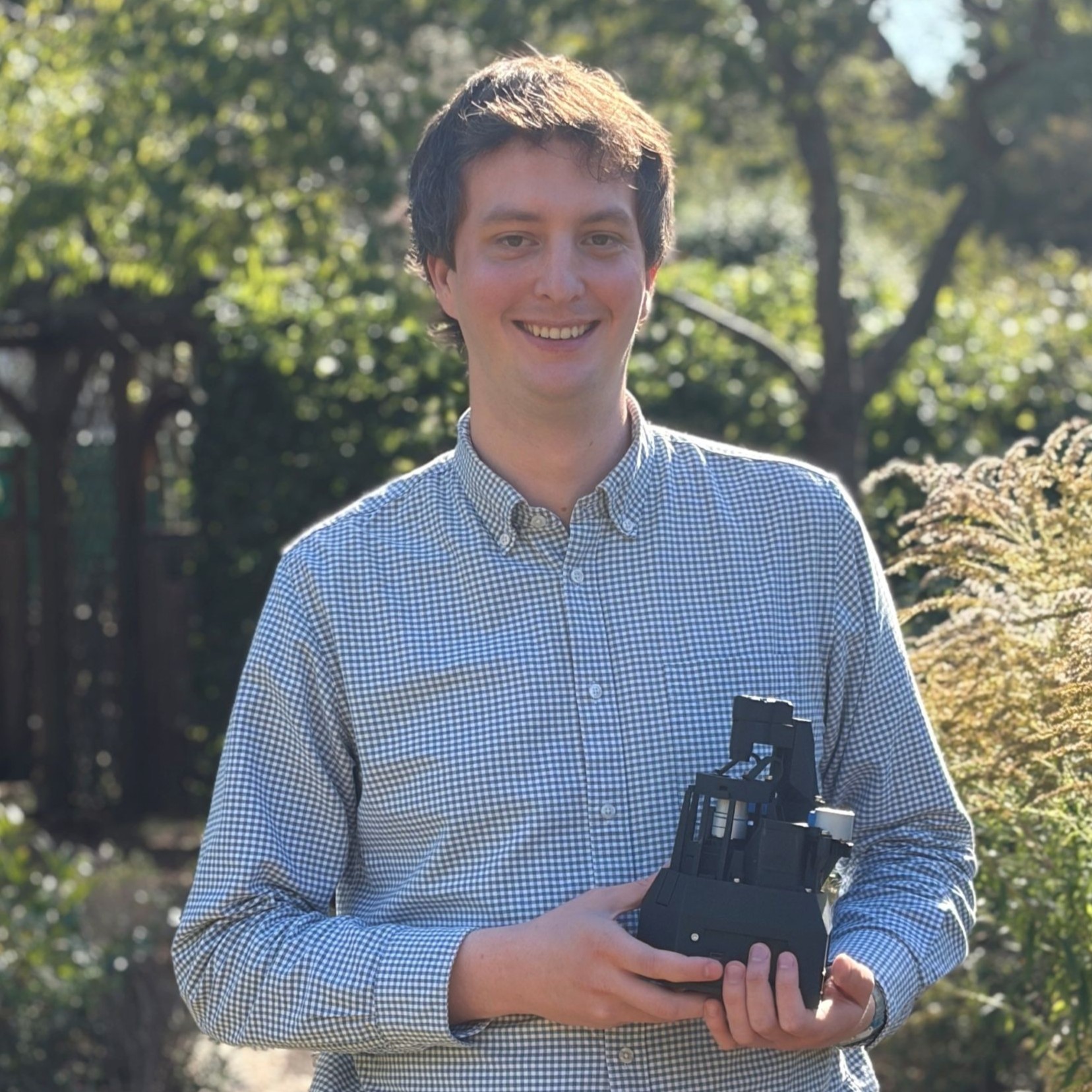
Dr Samuel McDermott, Fellow
Bringing together different disciplines to solve complex problems is where new Selwyn Fellow Dr Samuel McDermott thrives.
His work brings graduate students from the sciences, engineering and maths together for a year of Masters of Research before they go on to a PhD. "That gap between disciplines is really exciting," he said. "It’s known as interdisciplinary research, where people bring their different strengths to solve problems."
Samuel becomes a Fellow this year, after a year as Bye-Fellow and Director of Studies in Chemical Engineering and Biotechnology, meaning he can be more involved in Selwyn College.
Samuel did his PhD in quantitative phase microscopy at Sheffield, then came to Cambridge in 2019 for a postdoctoral position in the Physics Department developing low-cost microscopy for malaria diagnosis. He's now Programme Manager and Associate Teaching Professor for the EPSRC Centre for Doctoral Training in Sensor Technologies and Applications in an Uncertain World (the Sensor CDT).
Each summer, Sensor CDT students tackle a real-world problem set by an outside stakeholder in a hackathon. The 2026 project was building a sensor system to monitor temperature and humidity in a device designed to reduce the risk of aflatoxins developing on sun-dried maize in Kenya. "This year as the students were split into different groups, they all came up with different solutions. What was really cool was that the Kenyan professor, Prof Alunda Bernard Ouma, was able to pick out what worked well from the different projects to inform the final design."
Samuel also runs workshops in Kenya teaching students and researchers to build their own low-cost scientific equipment, rather than relying on donated kit. Working with local academics, the approach, called inclusive innovation using open science hardware, has helped move students from Master's level into PhD programmes.
At Selwyn, he enjoys working with undergraduates alongside his usual postgraduate-focused work in the department. "It's really nice to watch students broaden their skills and understanding."
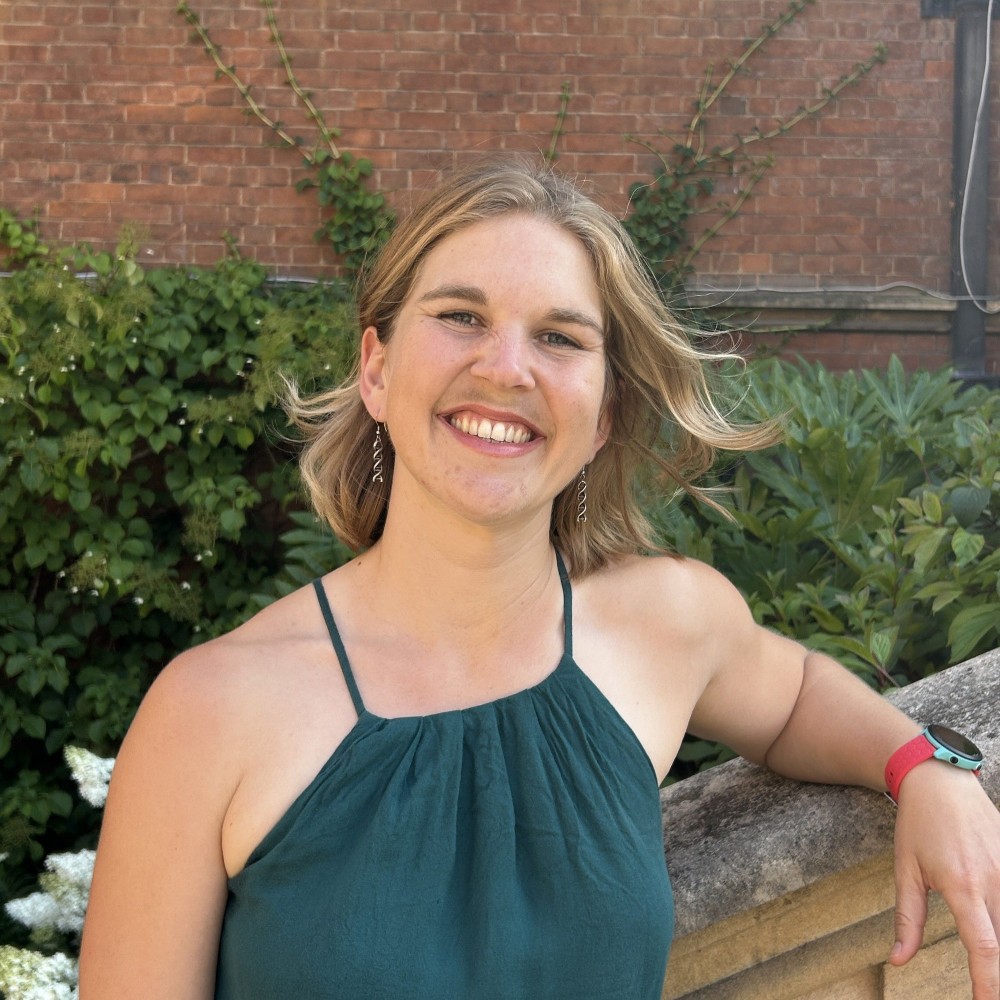
Dr Zoe Clarke, Henslow Research Fellow
In a single lake in Vermont, a population of catfish were found to be growing tumours which were related to each other, a hallmark sign of a transmissible cancer. The discovery is barely a few years old and this research paper was published in July. The story has already picked up traction, with coverage from major news organisations including the New York Times, CBC and Forbes. It's this puzzle that brings Zoe Clarke to Cambridge as Selwyn's incoming Henslow Research Fellow.
"It's kind of a little mystery we're trying to answer some really basic questions about," she says of the disease, which she'll research in the University's Department of Veterinary Medicine.
Zoe has a life-long love of data science. She studied biology and music at Queen's University in Ontario, then took a PhD in computational biology at the University of Toronto, working on liver cancer in woodchucks.
"I realised I really missed the ecology and evolution side of things, which brings me here," she said. Her current work crosses between medicine and evolutionary biology.
The Henslow Research Fellowship, sponsored by the Cambridge Philosophical Society, is a three-year post supporting early-career researchers. Zoe takes her position on 1 October. Alongside her research, she will teach for up to six hours a week.
Zoe will become unmissable at Selwyn: She plays tuba, has already joined a Cambridge brass band and owns a huge cargo bike painted like a Holstein cow.
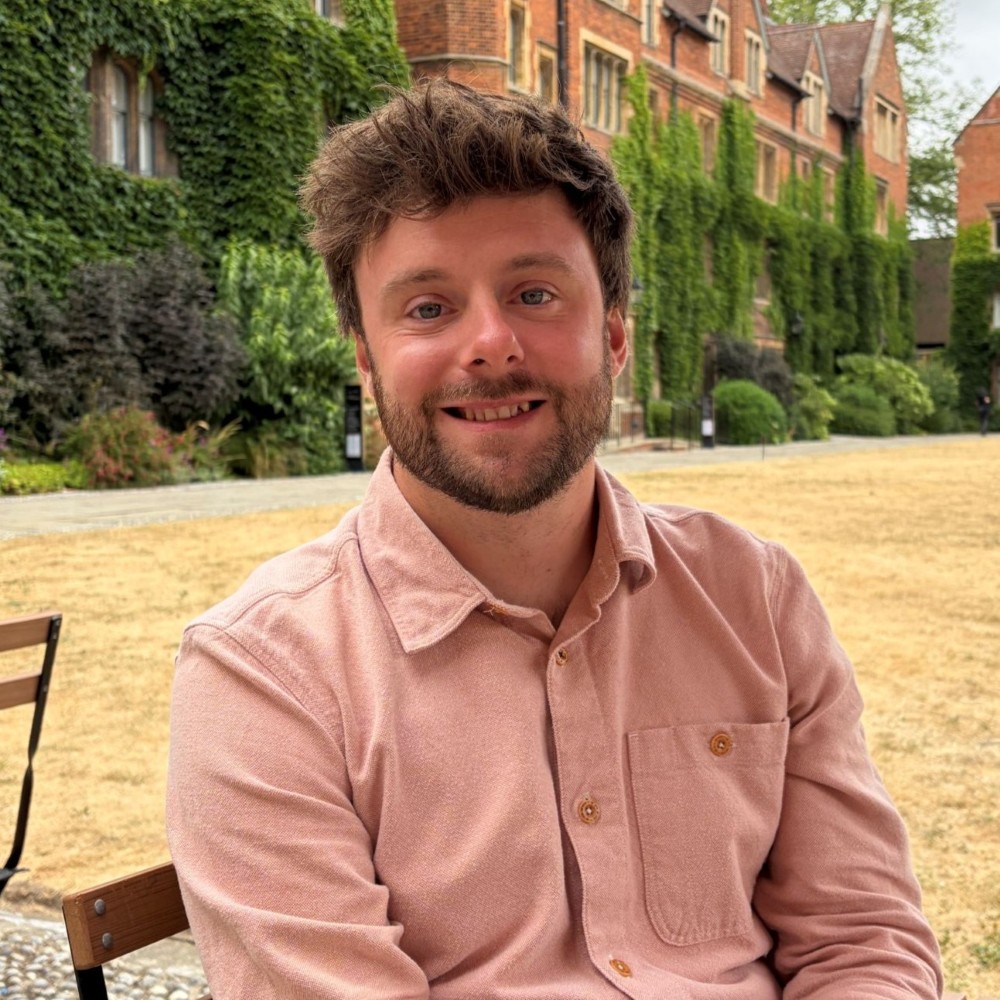
James Higham, Fellow
James Higham joins Selwyn as Fellow and Director of Studies, supporting students studying Natural Sciences, from 1 October. He will be moving from Homerton College, where he was a College Assistant Professor, Director of Studies and Undergraduate Tutor.
"I'm really looking forward to starting at Selwyn," said James, who was matched with Selwyn through the Intercollegiate Service. "Selwyn was one of the colleges I'd hoped would contact me as it has a reputation for being a friendly and relaxed college, which still has a traditional feel."
Having completed three years of a medical degree at Bristol University, including a year of clinical work, James found he was more interested in research than in clinical medicine.
After spending six years studying and working in Bristol, he moved to Cambridge and joined Peterhouse in 2018 to pursue a PhD in pharmacology, researching the mediators and mechanisms driving pain caused by inflammatory diseases, such as inflammatory bowel disease. The research, supervised by Dr David Bulmer, Associate Professor in the Department of Pharmacology, shed light on the interactions between inflammatory mediators and sensory neurons, and identified potential targets for painkillers.
James also has an ongoing interest in receptor theory, the mathematical framework describing drug-receptor interactions, and collaborates with David Colquhoun FRS, Professor Emeritus of Pharmacology at UCL, to improve understanding of this field among scientists and students.
Alongside his college position, James is a Teaching Associate in the Departments of Pharmacology and Biochemistry, teaching on the Natural Sciences Tripos and the Medical and Veterinary Sciences Tripos.
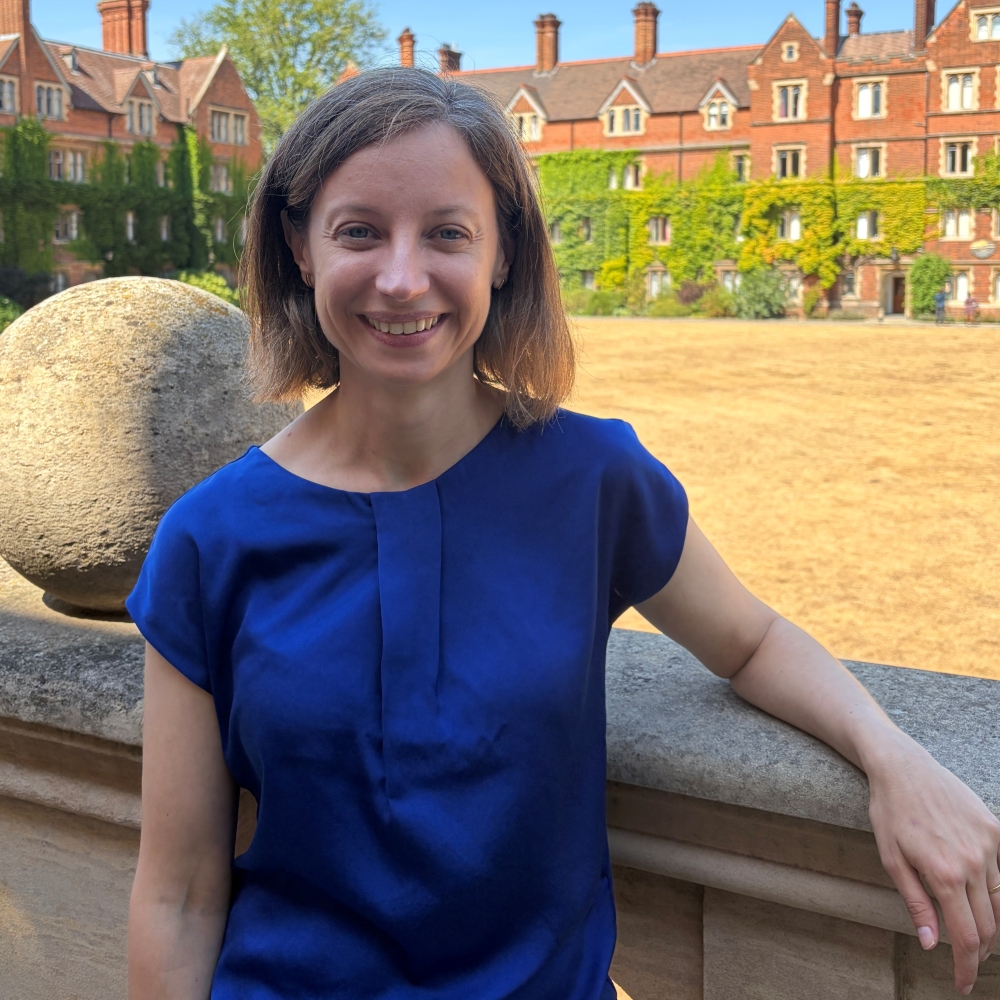 Dr Maria Marti-Solano, Fellow
During her PhD in Barcelona, computational biologist Maria Marti-Solano designed new chemical tools aimed at unpicking a precise problem: how to stop antipsychotic drugs causing unwanted side effects while preserving their capacity to prevent hallucinations.
The receptors she studies are involved in almost every process in the human body. Beyond schizophrenia, they are critical to treat diseases like allergy, asthma, or heart failure. They let us feel light, taste, and odour. They also carry the signal for GLP-1, the hormone now behind a new generation of weight loss drugs.
There are more than 800 G protein-coupled receptors, or GPCRs, found on every cell in our body, translating the outside world and the inside messages produced by our different organs into instructions our body can act on.
"We know many things about them," said Maria, now Assistant Professor in Pharmacology at Cambridge and a new Fellow of Selwyn, joining in October. "But there are many things we do not understand, including why a drug that should work sometimes doesn't.”
Her lab tackles that by integrating a range of biomedical datasets and modelling on computers how a receptor's shape shifts when a drug binds, how the wiring of each cell changes the way a receptor transmits its signal and how human genetic variation changes receptor behaviour. This can not only allow learning critical lessons about the way our body interprets GPCR signals but also working towards medicine tailored to the individual. “The more we understand the inner workings of these receptors, the more likely it is we will find new drugs for unmet clinical needs,” she said. "Even after I retire we won’t fully understand them, but it's a fascinating research field to work on."
She joins Selwyn because: “I've heard many good things from different people, at different stages of their career, about Selwyn. They all agreed it was a friendly and welcoming college that really encourages diversity.”
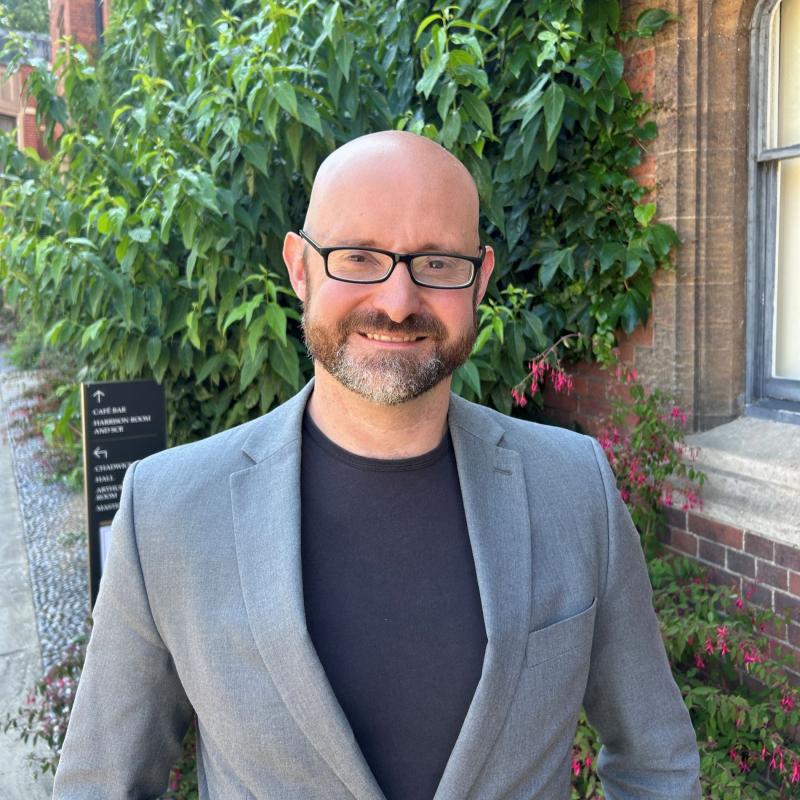
Dr Chris Jones, Fellow
Shelves of unexplored Buddhist materials represent potential in changing how we see the world, according to Dr Chris Jones, who will join Selwyn’s fellowship this year.
"We're drowning in Buddhist materials," said Chris. "Shelves of things, hundreds, if not thousands, of years old, which have not been systematically studied."
Written in Sanskrit, Chinese and Tibetan, his career has traced the intellectual and social history of Buddhism, with a particular focus on India.
He was an undergraduate at Cambridge and trained mainly at Oxford, with a spell in Japan, before returning to Selwyn in 2019 to create the university's first permanent position in Buddhist studies, ensuring that Sanskrit teaching is offered at Cambridge.
After a professorship in Vienna, Chris is Associate Professor of Buddhist Studies, based in the Faculty of Divinity from September 2026. The university will offer its first tripos paper devoted solely to Buddhist studies, open to students of theology, Asian studies and anthropology alike from autumn 2027.
For students, he says the appeal lies in how differently Buddhism frames the basic questions of existence, a tradition with fundamentally different foundations to Judeo-Christianity. He said: “It is the opportunity to discover something radically different and bring a different lens to human existence."
By coincidence, Selwyn is also home to Dr Jonathan Duquette, bye-fellow in South Asian Religions and Philosophies and the university's only other Sanskrit specialist. Chris has long collaborated with Professor Richard Bowring, Japanologist, former master and Emeritus Fellow.
Read more here: Historic appointment in Buddhist Studies first of its kind at Cambridge | School of Arts and Humanities