Students at Selwyn have achieved outstanding academic results for 2026, with the college's performance improving for the third year in a row.
Selwyn came second in the Baxter table, which ranks colleges' exam performance, behind only Trinity.
The results also show the breadth of academic achievement across the college. Of the 363 Selwyn students who took Tripos examinations this year, 91% achieved Good Honours, equivalent to a 2.i or better, which was the highest proportion in the University. Some 40.5% of students achieved a First, Distinction or starred First, with only two colleges recording over 40%.
Selwyn also had the second-highest proportion of Firsts in Cambridge, behind Trinity, while the average mark of 68.4% was again second only to Trinity's 69%. None of Selwyn's undergraduates failed their examinations, which only two other colleges’ students achieved.
Senior Tutor Mike Sewell said: “Well done to our students on their achievements which demonstrate their commitment and hard work.
“I would like to thank everyone who has contributed to their success from the teaching and tutoring to the wider support provided by Fellows and staff across the college.”
The results are particularly notable given Selwyn's commitment to widening participation. Around 80% of the College's UK intake comes from maintained-sector schools, and Selwyn continues to meet or exceed the University's widening participation targets. The results demonstrate the academic success of students from a broad range of educational backgrounds when they are given the opportunity to thrive at Cambridge.
Some 37.4% of Selwyn's women students achieved Firsts, the highest proportion among women at Cambridge colleges. 93.5% achieved Good Honours, again the highest proportion, while their average mark of 68.2% was also the highest in the University.
Selwyn students also performed exceptionally well in the Natural Sciences Tripos. Over 50% of both our men and women were awarded Firsts. Across the University the proportion was 34.9%. Our proportion was the highest for any standard age college. Wolfson reached 66.7% firsts. We had the top ranked student in Part 1A, two students in the top ten in Part 1B and several were at or very near the top of the lists in their Part II and Part III papers.
The CosmoCube. Photo credit: Surrey Space Technology LTD
There is a chapter of the Universe’s early history of approximately 150 million years that humanity has never directly observed. A Cambridge-led mission now plans to open a window onto it. The mission, called CosmoCube, is outlined in the recent edition of Nature Astronomy by a team of scientists led by Selwyn Fellow Professor Eloy de Lera Acedo.
Prof Eloy de Lera Acedo
CosmoCube, about the size of a small suitcase, will orbit the Moon and use its far side as a shield from Earth's noise. The team is working to a four to five year roadmap, with the goal of reaching lunar orbit before the end of the decade.
CosmoCube will target the cosmic Dark Ages, when the universe was filled largely with neutral hydrogen but the first stars had yet to illuminate the cosmos. The extremely weak radio signature from that hydrogen is exceptionally difficult to detect from Earth because of our ionosphere, human-made radio interference and much brighter astrophysical foregrounds.
"The Universe was dark before it had stars, but it was not without a story. That story is written in hydrogen, carrying the fingerprints of gravity, dark matter and the birth of cosmic structure. CosmoCube could allow us to read those first pages for the very first time," said Eloy.
CosmoCube has UK Space Agency funding, with the satellite being built in the UK by Surrey Space Technology Limited alongside academic and industry partners.
This summer, Selwyn's MCR community will be represented at the Edinburgh Fringe by two original productions.
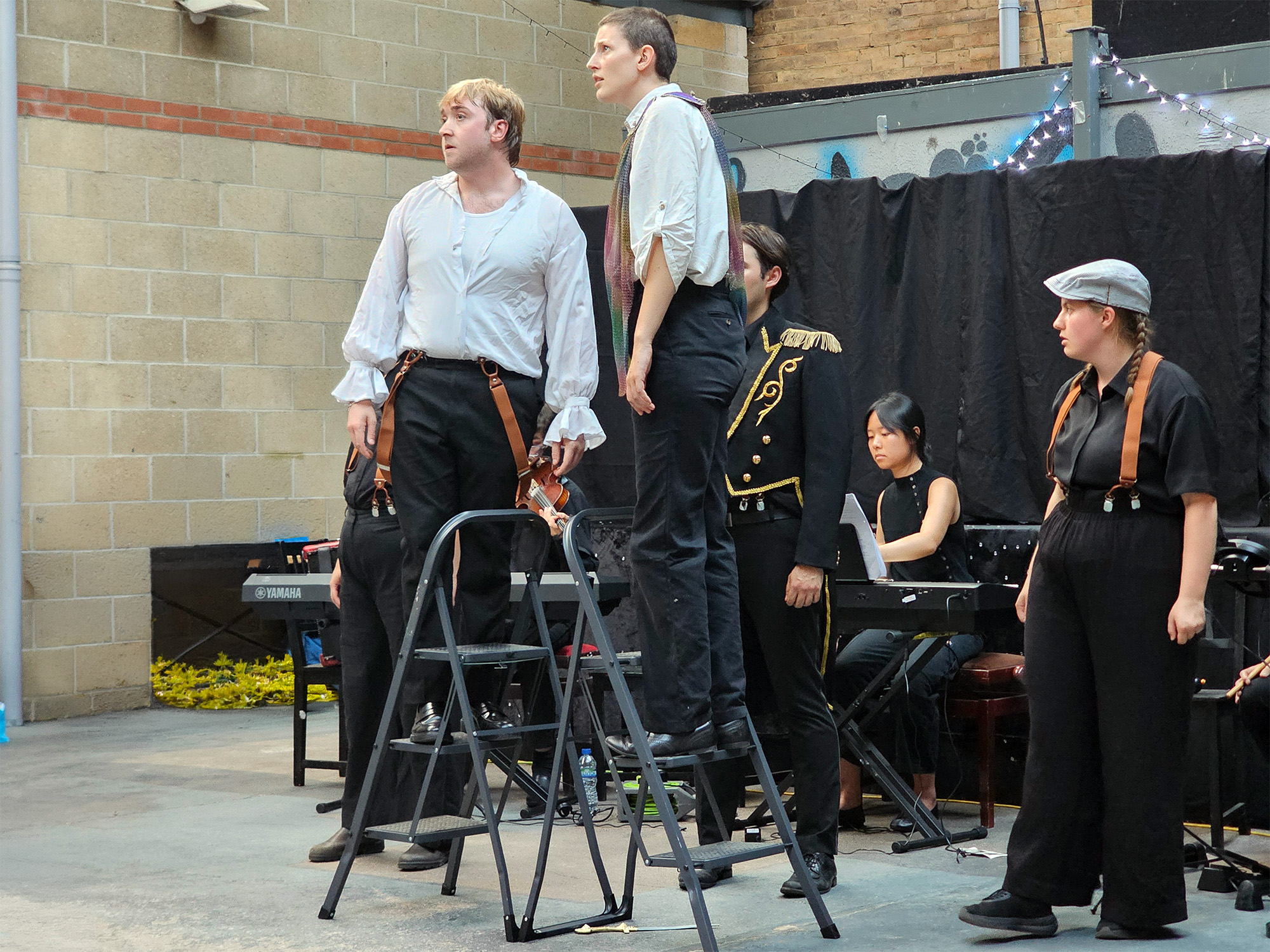
Among them is One Night at Ford's Theatre, an original musical created by four members of the College's postgraduate community. Their show explores the relationship between John Wilkes Booth, President Abraham Lincoln’s assassin, and his brother Edwin Booth, one of nineteenth-century America's most celebrated actors.
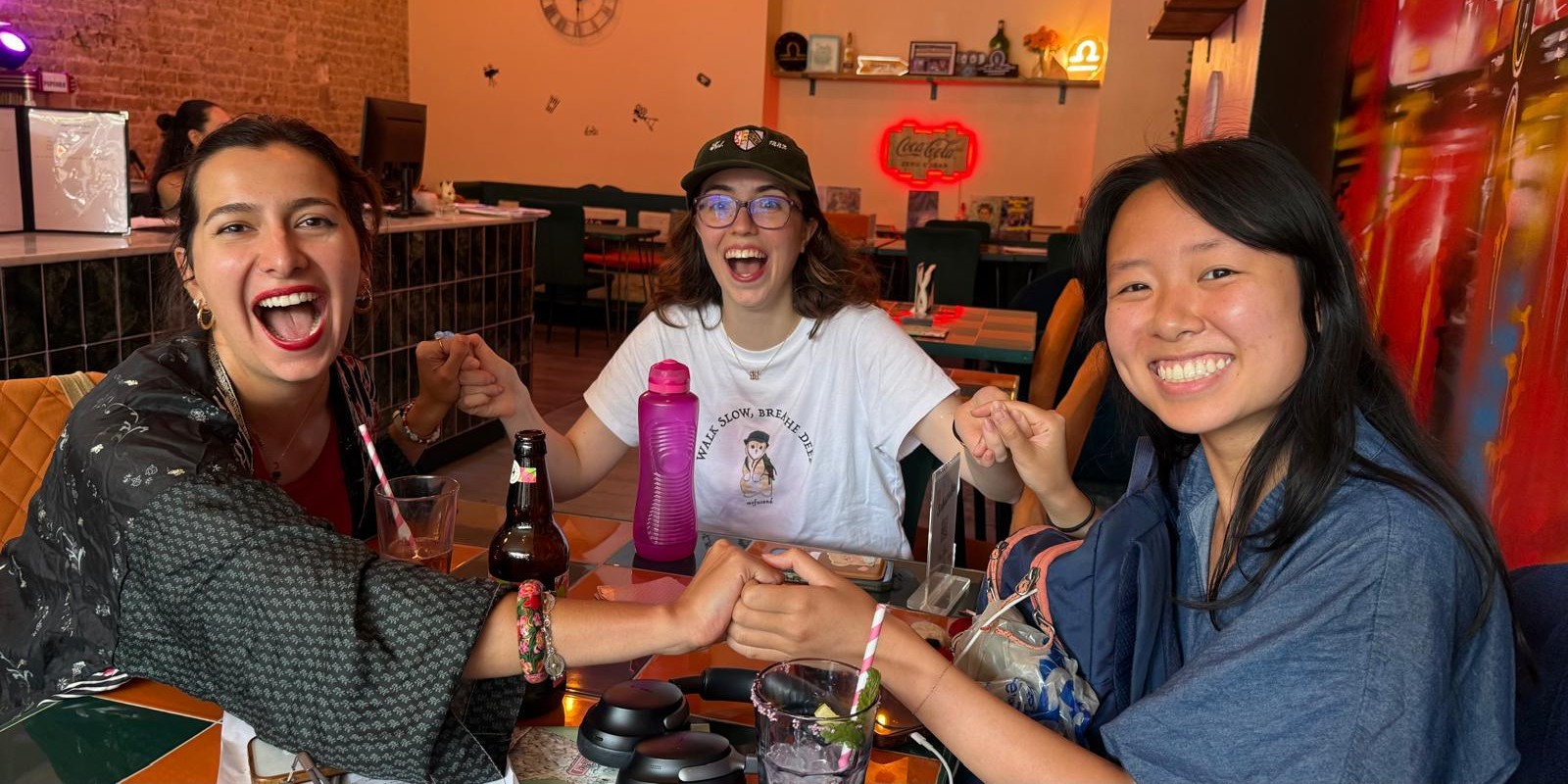
Among the team are MPhil in AI graduate Sydney Nguyen (SE 2025), the show's musical director; MPhil in Latin American Studies graduate Sabrina Steur (SE 2025), producer and lyricist; MSt in Creative Writing graduate Mimi Thompson (SE 2025), also a producer; and Engineering PhD student Will Rowse (SE 2024), who plays John Wilkes Booth.
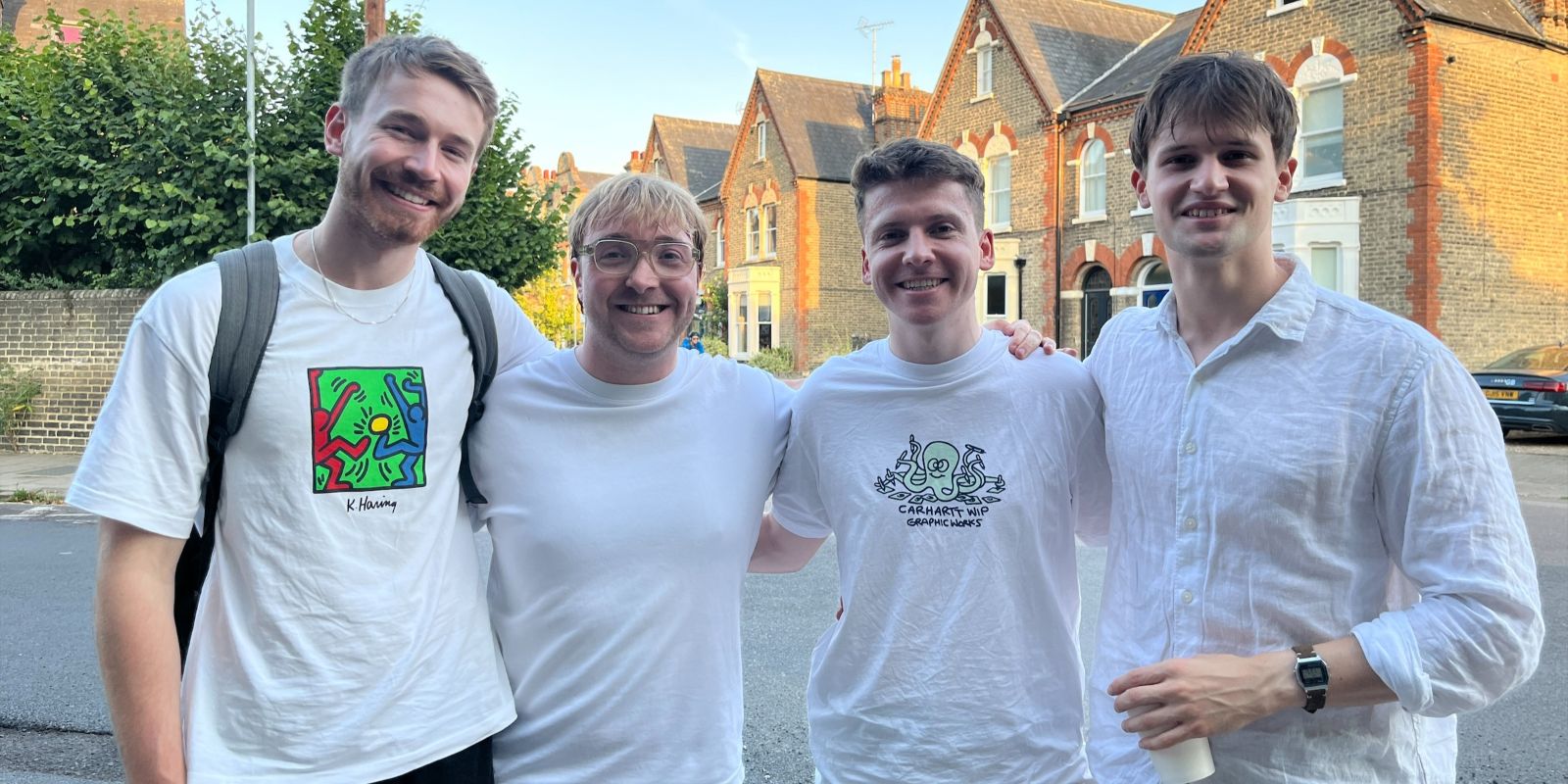
Left to right: Sabrina, Mimi and Sydney.Will Rowse (second from left) with friends.
With careers and research spanning fields far beyond the performing arts, we asked how they found their way into theatre. For Will, theatre offers a creative outlet alongside research. His route into Cambridge theatre began with the Selwyn College choir.
"Theatre and music provide a completely different space from the scientific world that occupies most of my time. It's an outlet for creativity and self-expression, and a way to switch off from research. Sydney encouraged me to audition for Wind in the Willows, which became my first Cambridge production."
For Sydney, too, music and theatre quickly became a defining part of Cambridge life.
"One thing I really appreciate about Cambridge is that alongside the academics, you can pursue extracurricular activities at a very high level. Singing with the Selwyn Chapel Choir and working on musicals has allowed me to meet and collaborate with incredibly talented people. Through choir tours, recording projects, conducting pit bands and leading rehearsals, I've built the relationships that helped bring together much of this team."
Sabrina joined the project through her involvement with the MCR Committee. The production brought together skills developed through both her professional and college life.
"I've always loved organising events, but I hadn't necessarily considered production as a future pathway until this project showed me how transferable those skills are. Before coming to Cambridge, I worked in human resources at the Civil Service, most recently at the Foreign Office. Producing the musical, surprisingly, has drawn on many of those same skills but also opened up new creative possibilities. Lyric writing was an unexpected joy. It relies on communication skills, but also on close collaboration with the director to understand what needs to be expressed emotionally and dramatically."
Mimi's involvement also grew out of friendships formed through the MCR.
"I wouldn't have become involved in this musical if I hadn't met and worked with Sabrina through the MCR. Our skills planning MCR events translated remarkably well to producing a musical! As a part-time Creative Writing student, it's not always easy to become involved in student life when you're not based in Cambridge full-time. Cambridge theatre can sometimes feel difficult to break into, but the Selwyn community has been incredibly welcoming and made me feel that I could contribute in a meaningful way."
It is clear that it is hard to separate the production from the community that helped create it. Sabrina believes that is what makes the project especially significant:
"So much of this production emerged from the Selwyn community. It's a wonderful example of how a college can bring together people with different talents and backgrounds to create something ambitious and exciting. The extra-curricular activities give people the chance to discover abilities that may never emerge through their academic work alone."
The other Selwyn-led production heading to Edinburgh Fringe is The Colour of Water. Written by Brian Alkire, the production is directed by MSt Creative Writing graduate Lara Czernecki (SE 2025), with Ellen Taggart (SE 2025) also MSt Creative Writing, serving as Assistant Director.
It first premiered at the Cambridge Festival of New Writing at Downing College earlier this year. Set in a university corridor in Zurich, their dark comedy follows "a group of academics who become increasingly preoccupied with a mysterious "beast" that remains frustratingly out of sight, exploring the stories people construct to make sense of an uncertain world".
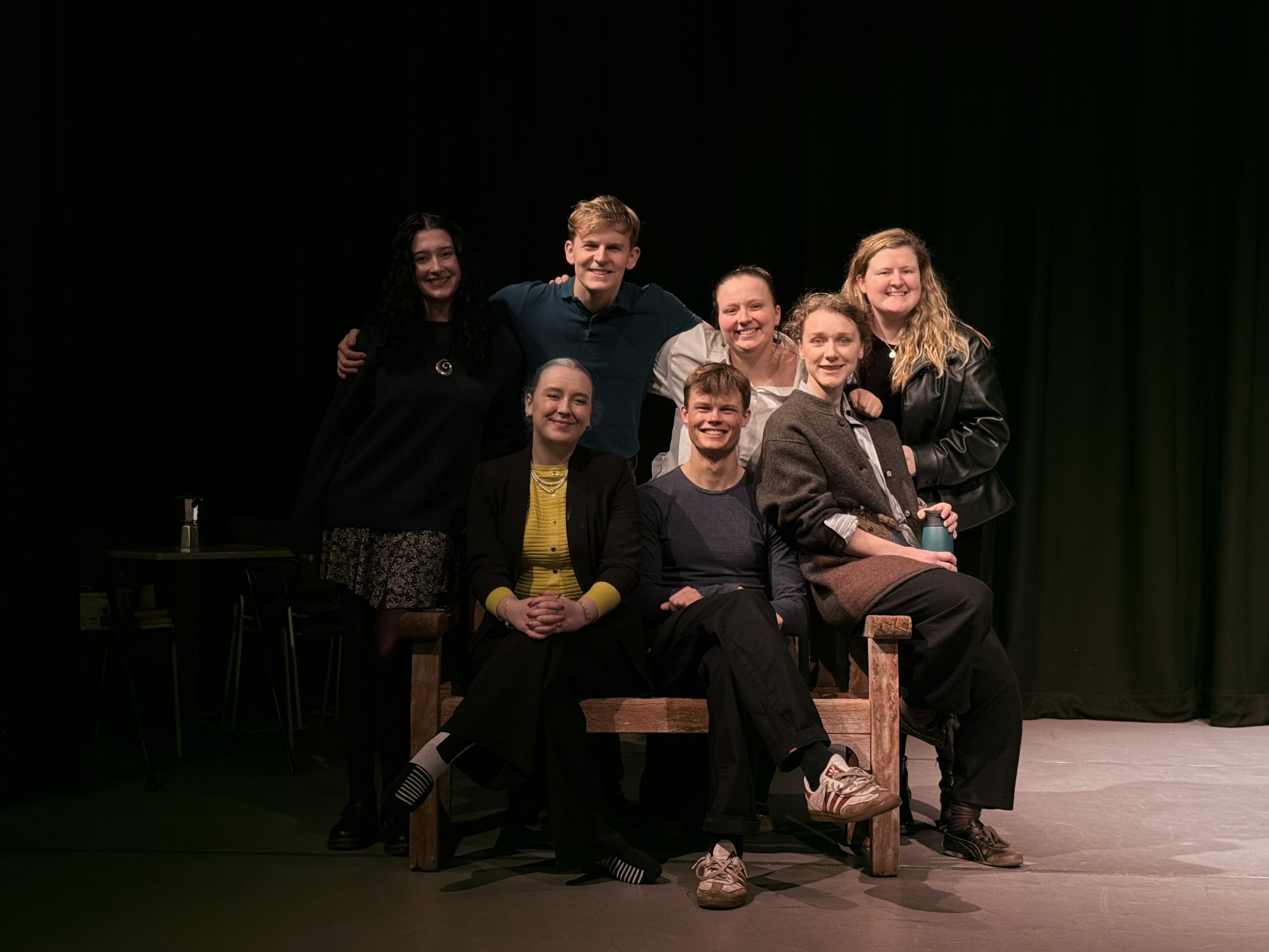
Lara (centre right) and Ellen (far right) pictured with their cast and team.
Lara said:
"We're really excited to bring the show from Cambridge to Edinburgh and share it with Fringe audiences."
Behind every act of great philanthropy is a human story. Andrew Barnes ONZM, who read law and archaeology at Selwyn from 1978, and his partner Charlotte Lockhart MNZM have given £10 million to the University of Cambridge to establish the Charlotte Lockhart Precision Breast Cancer Institute, supporting research to give people more time and hope.
Andrew came to Selwyn from a state school in Lancashire, and has spoken of Cambridge as the catalyst that opened doors and gave him access to opportunities on which he built his life and career. That connection to Cambridge, and his belief in what it can achieve, is at the heart of this remarkable gift.
Charlotte was diagnosed with metastatic breast cancer in 2021. In a video for Cambridge University, she has spoken simply and powerfully about what that diagnosis meant. She said: "You never know how strong you can be until life throws you a chance to see that. All I could think about was leaving my family."
Since then she has visited Cambridge to see the research first hand, and describes what she found there as turning hope into reality.
"Without research, I wouldn't be here today. I want others to have the same chance. To be able to watch their families grow up," she said.
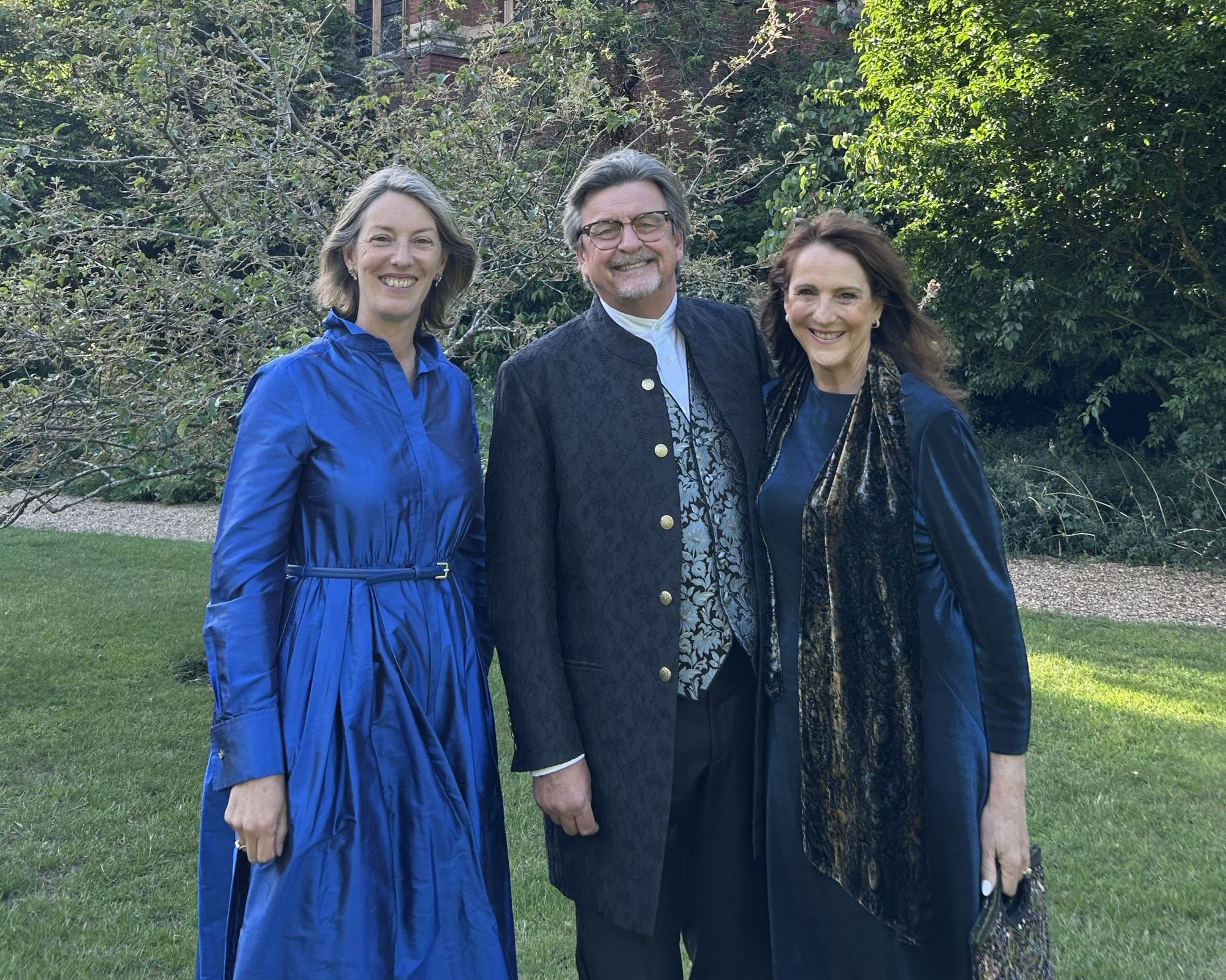
Andrew Barnes and Charlotte Lockhart with Master Suzanne Raine at a recent college event.
Andrew donated the gift via the Barnes Lockhart September Giving Trust. He said of the people behind the research: "It gives us strength. It gives us real hope. We want others in our position to feel that hope too."
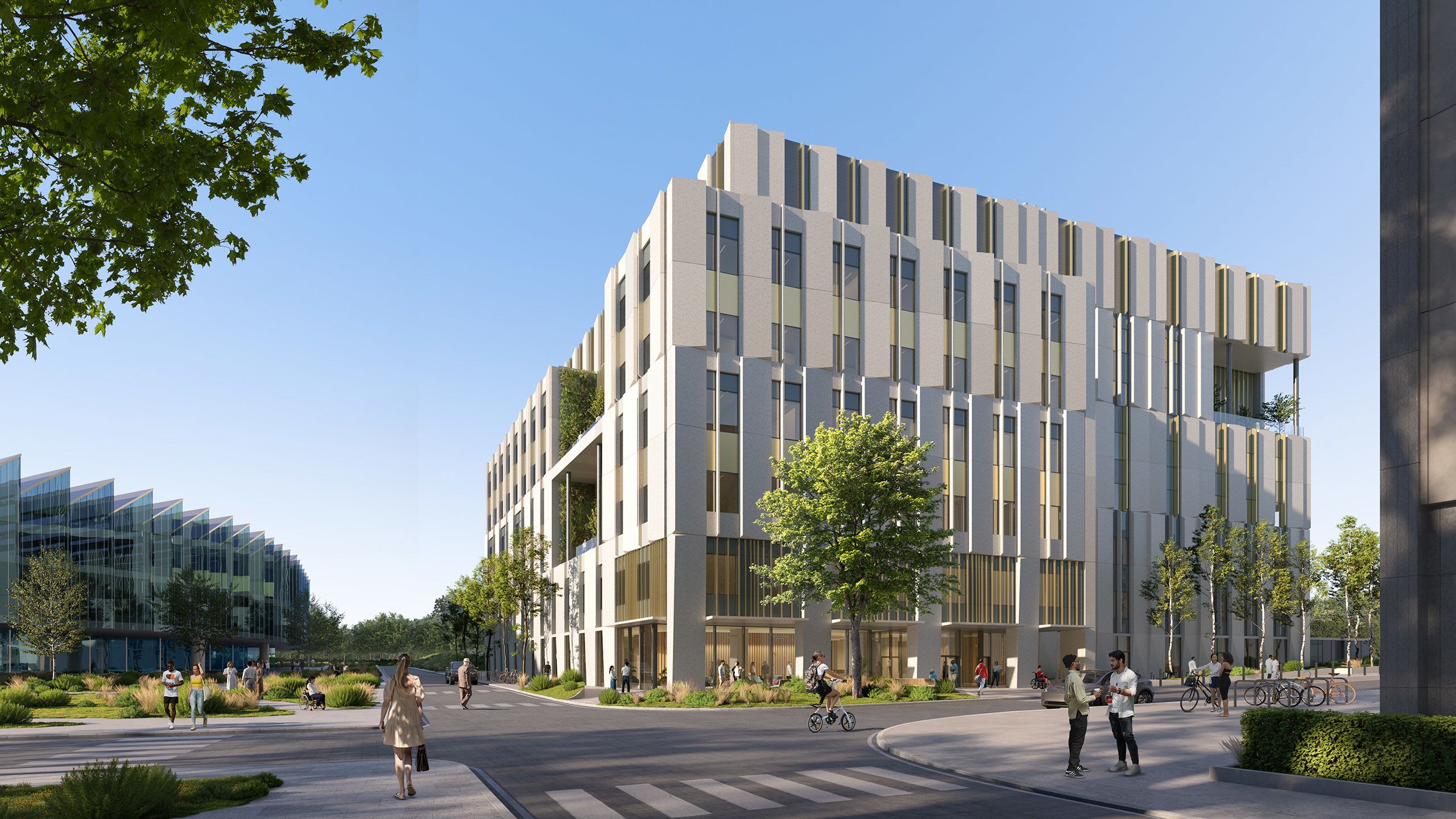
The Charlotte Lockhart Precision Breast Cancer Institute will form part of the new Cambridge Cancer Research Hospital, due to complete in 2030.
We send our warmest wishes to Charlotte and Andrew.
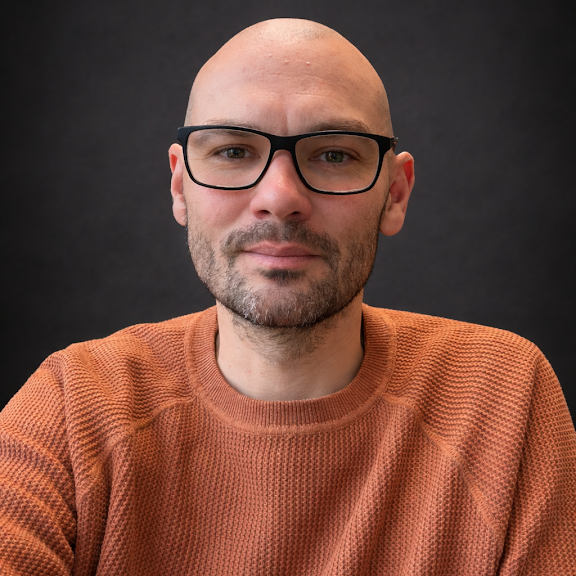
Dr Tom Smith has taken up a new role as Assistant Senior Tutor at Selwyn.
The post strengthens our commitment to academic excellence and will help ensure that students from every background have the support and opportunity to thrive at Cambridge.
Tom (SE 2009) will have particular responsibility for the college's work in support of the University's Access and Participation Plan and will develop new initiatives across both undergraduate and postgraduate communities to give every Selwyn student the best chance of success. He will also assist the Senior Tutor in providing a broad range of student support.
Tom said: "At Selwyn, we have built a strong and diverse community without compromising on academic excellence. I'm hugely proud of what we have achieved, and I'm delighted to be taking the lead in thinking about how we might further enhance the opportunities available to our students. I know I have the support of an exceptionally talented and committed set of colleagues and students in moving towards these goals."
Mike Sewell, Senior Tutor, said: "I greatly look forward to working with Tom to strengthen further our academic and pastoral provision and am excited by the prospect of the initiatives that he will take forward."
Tom has been Keasbey Research Fellow in American Studies since 2019 and Admissions Tutor since 2021. His new role builds on that work. He also directs the Bridging Course, which runs annually in September to give incoming students who would benefit most a taste of college life. He continues as a Director of Studies in History and Tutor.
New research reveals that bumblebees collect up to seven times as much toxic heavy metal as honeybees, even when foraging in exactly the same environment.
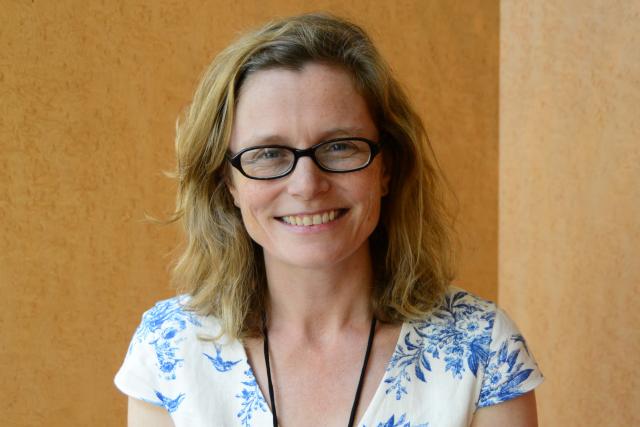
Professor Lynn Dicks
The study, published in the journal Ecological Entomology, was led by Dr Sarah Scott, who carried out the research while at Cambridge and is now based at Newcastle University, with Selwyn Fellow Professor Lynn Dicks from the Department of Zoology as senior author.
Researchers collected pollen samples from apiaries in Cambridgeshire and measured concentrations of arsenic, cadmium, chromium, cobalt, lead and tin in both pollen and adult bees. Despite honeybee and bumblebee colonies foraging in the same landscapes, bumblebees collected pollen with between two and seven times the level of heavy metals, and accumulated around three times greater concentrations of heavy metal in their bodies.
The differences are likely down to a combination of foraging behaviour and physiology. Honeybees travel further, up to 10 km from the colony, and forage across a wider range of flowers, diluting any contamination. Bumblebees stay closer to their nest, typically no more than 1.5 km, and are hairier, making them more likely to pick up metal-containing dust and particles.
Professor Dicks said: "Even in areas that we usually consider safe or lower risk for heavy metals, typically rural areas away from industrial or mining areas, bees can pick up toxic metals. Bumblebee colonies tend to have fewer workers available to perform tasks, so the loss of individuals can have a big impact on overall colony function."
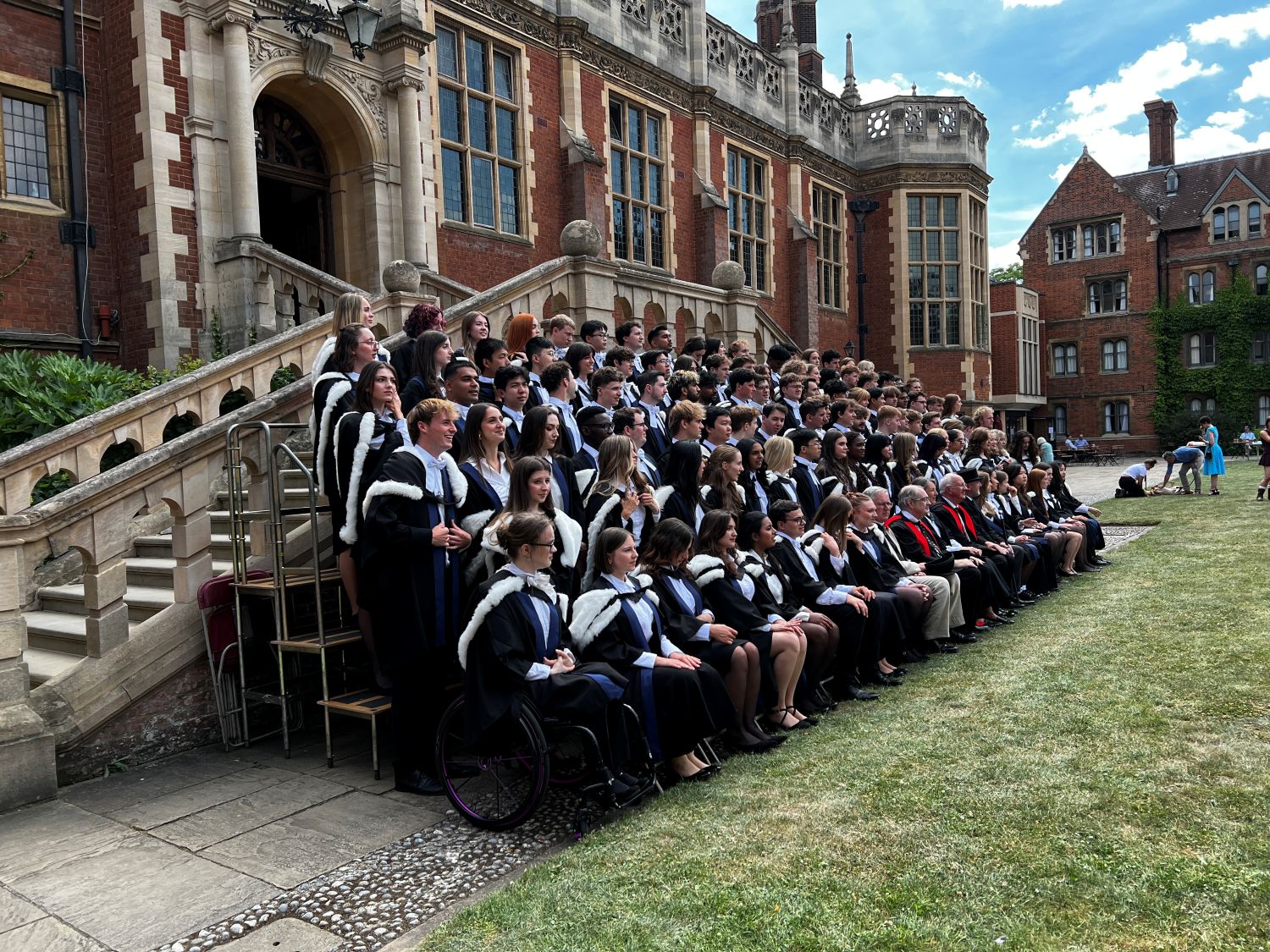
Well done to all 112 people who graduated from Selwyn College Cambridge on 3 July.
Of those graduating, 88 received a Bachelor of Arts. Others were celebrating a Master of Mathematics, Master of Engineering, or Master of Natural Sciences, each combined with a Bachelor of Arts, while two students received their Bachelor of Veterinary Medicine degrees.
Selwyn is proud of what you've achieved, and excited to see where you go next. Do keep in touch on Facebook, Instagram and LinkedIn.
Two new Selwyn boats now grace the Cam, thanks to the generosity of supporters and the efforts of rowers.
A pair, named John Whitbread honours a former member whose legacy to the club reflected his love of rowing and his wish for more people to take up the sport. It is joined by a four for the women's side, Fiona Morrison, named after one of the college's first female rowers.
The John Whitbread was launched by his daughter Fiona Cook (pictured right).
Fiona said: "When I first visited the boathouse, I was moved to find my father's name on the boards recording the first eights, something his modesty meant he had never mentioned. This is a fabulous tribute to him."
The women's four was funded largely by the club's rowers. During spring 2025, the club held a 24-hour ergathon raising around £11,000 towards new equipment. The Friends of Selwyn College Boat Club then added to the fund, making it possible to buy a new boat for the women's squad.
Members and alumni were invited to suggest names for the four as so many people had been involved raising money. The whole club voted to produce a shortlist of three, before the women's side chose the final name.
They picked Fiona Morrison, who joined Selwyn in 1976 as one of the college's first women students. She rowed in SCBC's first crew, earned a CUWBC Blue being in the winning boats of 1977, 1978 and 1979 and served as president of the University Women's Boat Club from 1978 to 1979.
Freya Jenkinson, the club's current president, said: "It was fitting we landed on the Fiona Morrison, especially as the next academic year will celebrate fifty years of women at Selwyn. She is just one of those women who made it possible for those students who followed her."
The boats were named at a ceremony at the boathouse on Saturday 20 June, the final day of the May Bumps.
Brian Hornsby, Chair of the Friends of Selwyn College Boat Club, welcomed alumni and rowers before the boats were launched. Fiona Morrison was unable to attend, so the Master Suzanne Raine named the four on her behalf.
Each year, Selwyn celebrates four students who have excelled in their studies and made a real difference to life at the college. Nominated by tutors, this year's recipients have distinguished themselves through research, leadership, outreach and contributions to college life.
Peter Parker and Louise O'Hanlon received Tallow Chandlers Awards. Supported by the Worshipful Company of Tallow Chandlers, the awards form part of a wider programme recognising students across the UK.
Hugo Barraud and Shanjeev Mathialagan received Christopher Johnson Awards, named in honour of Honorary Fellow Dr Christopher Johnson and his longstanding support of Selwyn.
Peter Parker, Natural Sciences
Peter, a third-year natural scientist, has combined student leadership with hands-on research experience. As treasurer and now president of the Selwyn College Natural Sciences Society, he supported events that connect students across year groups and established a graduate panel to help undergraduates explore postgraduate study.
Last summer, he completed an eight-week research internship studying polarisation of the cytoskeleton, which could improve our understanding of cellular dysfunction including in cancer.
Louise O'Hanlon, Music
Louise, a third-year music student from a state grammar school in Liverpool, ranked second in her cohort in her Part IB examinations. An accomplished performer and member of the choir, she was nominated in recognition of her achievements.
Shanjeev Mathialagan, Engineering
Shanjeev, a second-year engineer, has shown a strong commitment to widening access to engineering, supporting students from underrepresented backgrounds with their university applications and working with Year 9 and 10 pupils through Cambridge outreach programmes.
His contributions extend well beyond his studies. He serves as current treasurer for the Cambridge University Engineering Society, formerly its sponsorship officer. Shanjeev was president of the Cambridge University Tamil Society in 2024/25 and was previously social secretary of the Selwyn College Engineering Society. He also represented the University at the Kings of Gaana Tamil dance competition in 2025, rowed in the Bumps for Selwyn in his first year and was the badminton captain in his second year. He is serving as treasurer for the Hermes and Sirens Club in his third year.
Hugo Barraud, Classics
Hugo, a fourth-year classicist, has made a substantial contribution to life at Selwyn. He chaired the Selwyn Snowball committee in 2024, and on the 2023 committee, helping to deliver a highlight of the student calendar. His nomination highlighted both Hugo's leadership of the Snowball and the wider contribution he has made to the community at Selwyn.
Left to right: Shanjeev Mathialagan, Louise O'Hanlon and Peter Parker